
What Non-Medical Home Care Means
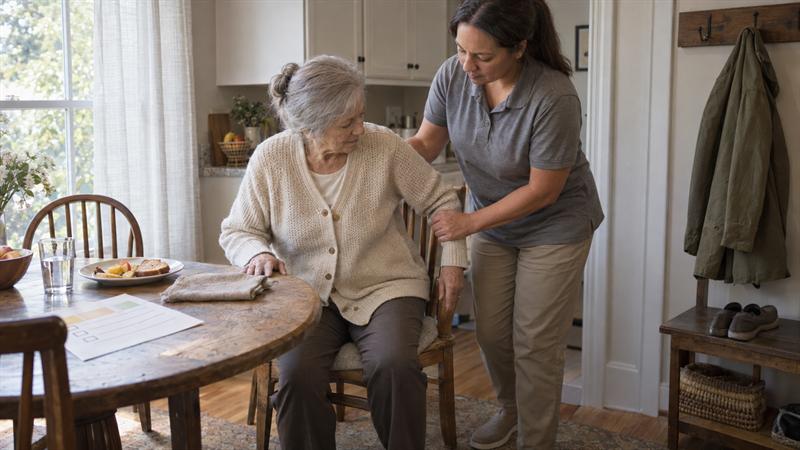
Non-medical home care supports the parts of daily life that can become harder for an older adult to manage safely at home. The focus is not treatment. The focus is routine, function, safety, and helping someone remain as independent as possible in familiar surroundings.
At Honeybee Homecare, this is often the first distinction families need to make. Most are not starting with a care category. They are trying to solve a real problem like missed meals, difficulty bathing, trouble getting to appointments, or a home routine that is getting harder to keep up.
What Non-Medical In-Home Care Usually Includes
Non-medical home care usually includes the kinds of support that help daily life keep moving. The exact care plan depends on the person, but the service categories are generally consistent. If the main issue is daily routine, personal care, transportation, or household upkeep, this is usually where home care fits.
A common pattern is that families notice the smaller breakdowns first. Laundry starts piling up. Appointments are harder to manage. Meals become less consistent. Then the issue can spread into bathing, dressing, and mobility. This is often the point where staying at home starts to feel less manageable without extra help.
Companionship and General Supervision
Companionship includes conversation, shared activities, routine check-ins, and having someone present in the home. That support can matter more than families expect. Isolation, inactivity, and lack of structure can affect routine and overall well-being.
General supervision also helps when someone is safer with another person nearby. This is not clinical monitoring. It is day-to-day presence that supports routine and helps close the gaps that can develop when a person is spending more time alone.
- Conversation and social engagement
- Shared meals or simple activities
- Routine check-ins during the day
- Presence in the home for added support and oversight
IADL Assistance Such as Meals, Housekeeping, Errands, and Transportation
IADLs are the tasks that help keep a household running. This usually includes meal preparation, light housekeeping, laundry, errands, transportation, and similar support that helps someone maintain daily life at home.
Families often underestimate this category because each task seems small on its own. But when meals are skipped, groceries are harder to manage, appointments are missed, and the home becomes harder to keep up, day-to-day stability can start slipping. Over time, that often means more stress, more family involvement, and less independence.
- Meal preparation and kitchen support
- Light housekeeping and laundry
- Grocery trips and errands
- Transportation to appointments and outings
- Pet care support when daily routines become harder to manage
For a broader look at how these services fit together, see Types of In-Home Care Services Explained. If transportation is one of the first areas creating stress, Senior Transportation Support: How to Plan Appointments, Errands, and Safe Rides explains what reliable ride support should cover.
ADL Assistance Such as Bathing, Dressing, Grooming, Toileting, and Mobility Support
ADLs are basic personal care tasks. This includes bathing, dressing, grooming, toileting, transferring, and mobility support. When these tasks become difficult, the issue is no longer just convenience. It can become a safety and dignity concern.
This is where many families realize outside help may be needed. A parent may still seem independent in conversation and still want to manage at home, but trouble bathing safely or getting dressed consistently often points to a need for hands-on support. If you want a clearer picture of caregiver boundaries in these situations, What Does a Caregiver Do? Roles, Responsibilities, and Boundaries explains that role in more detail.
What Non-Medical Home Care Does Not Include
Non-medical home care generally does not include tasks that require clinical judgment, licensed treatment, or medical procedures. This boundary matters because families often assume that if care happens at home, it all falls under the same kind of service. It does not.
Problems usually come up when expectations are not clarified at the beginning. Families may think they are arranging one kind of help, then later realize they also need nursing, therapy, or another medical service. That can lead to confusion and gaps in support.
Medication Administration and Dosage Changes
Non-medical caregivers generally do not administer medication or make dosage decisions. There is an important difference between reminding someone to take medication and actually managing it. A reminder supports routine. Administration involves a higher level of responsibility and clinical risk.
This is one of the most common points of confusion. If the real issue is remembering a routine, non-medical support may fit. If the issue is giving medication, adjusting schedules, handling injections, or managing a more complex regimen, the situation may fall outside standard non-medical care.
Wound Care, Injections, IVs, and Skilled Nursing Tasks
Wound care, injections, IVs, and similar skilled nursing tasks are outside the scope of non-medical home care. These are treatment-related services, not daily living support.
If a person needs this level of care, the need has moved beyond companionship or household help alone. Families can lose time when a medical need is treated like a routine home care issue.
Therapy Services and Clinical Treatment Plans
Physical therapy, occupational therapy, and speech therapy are also separate from non-medical home care. Therapy is designed to rehabilitate function, support recovery, or work toward clinical goals. It is not the same as helping someone through the daily routine at home.
That distinction matters because a person may need both. Someone can have therapy visits for recovery and still need regular help with bathing, meals, transportation, or household support in between.
Diagnosis, Emergency Care, and Clinical Monitoring
Non-medical caregivers do not diagnose medical conditions or provide emergency care. They also do not perform formal clinical monitoring as a substitute for licensed medical oversight.
That said, everyday observation still matters. A caregiver may notice changes in routine, appetite, mobility, or behavior because they are present in the home. The important distinction is that noticing a change is not the same as diagnosing or treating it.
Home Care vs. Home Health: Where the Line Usually Is
Home care helps with daily living. Home health addresses medical or rehabilitative needs. That is the line most families need to understand.
If the main problem is routine, safety with personal tasks, meals, transportation, or household upkeep, home care is usually the practical fit. If the need involves wound care, therapy, injections, or another skilled service, home health is generally the more appropriate category. For a fuller breakdown, Home Care vs. Home Health: A Clear Guide for Families goes deeper into where those services split.
When Non-Medical Home Care May Be Enough
- The person needs help with bathing, dressing, grooming, or mobility around the home
- Meals, laundry, errands, or housekeeping are becoming hard to manage consistently
- Transportation to appointments or daily outings has become unreliable
- Companionship and routine support are needed to reduce isolation or add structure
When a Medical Provider Should Be Involved
- There is a need for wound care or treatment-related tasks
- Therapy is needed for recovery, rehabilitation, or functional improvement
- Medication support goes beyond reminders and involves administration or clinical judgment
- Licensed medical oversight is part of the ongoing need
When Families May Need Both
A person may need therapy or nursing visits while also needing help with meals, bathing, transportation, and day-to-day routines. This is more common than many families expect. The mistake is assuming one service should cover everything.
A common example is recovery after a health event. The clinical service addresses treatment. Non-medical home care supports what happens between visits and throughout the rest of the day. Without that second layer of support, the practical parts of daily life are often the first to break down.
How to Tell What Kind of Help Is Needed
The fastest way to sort this out is to look at the actual tasks that are becoming harder. If the breakdown is happening in daily routine, hygiene, meals, transportation, or household tasks, non-medical support is usually the starting point. If the breakdown is tied to treatment, rehabilitation, or medical procedures, the need is different.
This is where families often get stuck because they look for one big answer instead of identifying the tasks that must happen every day. Once the tasks are clear, the service boundary is usually easier to understand.
Signs Daily Living Support May Be the Main Need
- Bathing, dressing, or grooming are becoming inconsistent
- Meals are skipped or simplified because cooking feels harder
- The home is getting harder to manage
- Transportation to appointments depends on last-minute family availability
- Routine tasks are being missed unless someone steps in
Signs It May Be Time to Ask About Clinical Care
- There is a need for wound care or treatment-related tasks
- Therapy has become part of the recovery process
- Medication issues involve administration rather than reminders
- Licensed medical oversight is part of the ongoing need
Questions to Ask Before Starting Care
- What tasks are being missed right now?
- Is the main issue routine support, hands-on personal care, or clinical treatment?
- Which tasks require another person to be physically present?
- How often is support needed during the week?
- Is transportation, companionship, or pet care part of the daily strain?
If the same daily tasks keep falling back on family members, the need has likely moved beyond occasional help.
- Bathing or dressing is being delayed because no one is available
- Appointments are missed or rescheduled because transportation is unreliable
- Meals, laundry, or home routines are slipping every week
- One family member is quietly covering everything and burning out
When these signs are showing up together, it usually means the current setup is no longer working well enough.
How Individualized Support Plans Help Define the Right Scope
At Honeybee Homecare, the practical question is not just what category of care someone needs. It is what has to happen each day for life at home to stay safe and manageable. That is where an individualized support plan matters.
A broad label like companionship or personal care only becomes useful when it is tied to a real routine. Morning support may involve help getting out of bed, dressing, and preparing breakfast. Later in the week, the bigger issue may be transportation, errands, or pet care. Over time, needs often change. A support plan works because it follows the daily pattern instead of forcing every situation into one generic care description.
Key Takeaways
- Non-medical home care services support daily living, not clinical treatment.
- They usually include companionship, transportation, meals, housekeeping, and ADL or IADL assistance.
- They generally do not include skilled nursing, wound care, injections, therapy, diagnosis, or other medical procedures.
- Some families need non-medical home care, some need home health, and some need both.
Conclusion
The real challenge is not just knowing that help is needed. It is understanding what kind of help fits the situation. When families treat a daily living problem like a medical one, or a medical problem like a routine one, support can be delayed and strain at home often gets worse.
That can lead to missed routines, more safety concerns, and a heavier burden on family members who are already trying to fill the gaps. Honeybee Homecare helps families sort out what support belongs in the home, what falls outside non-medical care, and how to build a practical plan around the tasks that are actually becoming harder. If daily needs are becoming harder to manage, reaching out to Honeybee Homecare is a practical next step.
FAQ
What is considered non-medical home care?
Non-medical home care is support with everyday living rather than medical treatment. It typically focuses on helping an older adult stay safe and function more comfortably at home by assisting with routine tasks, personal care, household activities, companionship, and transportation.
A useful way to understand the distinction is to look at the goal of the service. Non-medical care helps a person get through the day more safely and consistently. Help with bathing, meal preparation, laundry, or getting to appointments fits this category because those tasks support daily living rather than treat a medical condition.
What can a non-medical caregiver help with at home?
A non-medical caregiver can often help with companionship, meal preparation, light housekeeping, laundry, errands, transportation, and personal care tasks such as bathing, dressing, grooming, toileting, and mobility support, depending on the care plan and provider scope.
It helps to think in two groups: IADLs and ADLs. IADLs are the tasks that keep daily life running, such as preparing food, getting groceries, or keeping up with the home. ADLs are basic personal care tasks, such as getting dressed or using the bathroom safely. Families usually notice IADL problems first, then realize hands-on ADL help is also becoming necessary.
Can non-medical home care include bathing and dressing help?
Yes, non-medical home care can include bathing and dressing help when the provider offers ADL assistance as part of the care plan. These are activities of daily living, not medical treatment.
This is one of the clearest turning points in the care decision because bathing and dressing are closely tied to safety, routine, and dignity. A person may still seem independent in many ways but still need hands-on support with these tasks to remain at home more safely.
Can a non-medical caregiver give medication?
Non-medical caregivers generally do not administer medication, change dosages, or make medication decisions. In many cases, they may provide reminders, but that is different from actually giving medication or managing a prescription regimen.
The distinction matters because medication-related needs are easy to underestimate. A reminder helps someone stay on schedule. Administration involves a different level of responsibility and usually changes the type of care that is needed.
What is the difference between home care and home health care?
Home care usually refers to non-medical help with daily living, while home health care refers to clinical services provided at home. Home care supports routine, safety, and independence. Home health is tied to medical or rehabilitative needs such as skilled nursing or therapy.
A simple example makes the distinction clearer. Help with bathing, meals, housekeeping, and transportation fits home care. Wound care, injections, or physical therapy fit home health. The setting is the same, but the type of task changes the service.
How do families know if a loved one needs home care or medical care?
Families can start by asking whether the main problem is daily functioning or clinical treatment. If the biggest issues are bathing, dressing, meals, transportation, housekeeping, or keeping up with routines, non-medical home care is usually the more practical fit. If the person needs wound care, therapy, injections, or other skilled services, medical care needs to be part of the plan.
The most useful distinction is not the label. It is the task that has to happen regularly. That is what determines whether support, treatment, or a combination of both makes sense.