
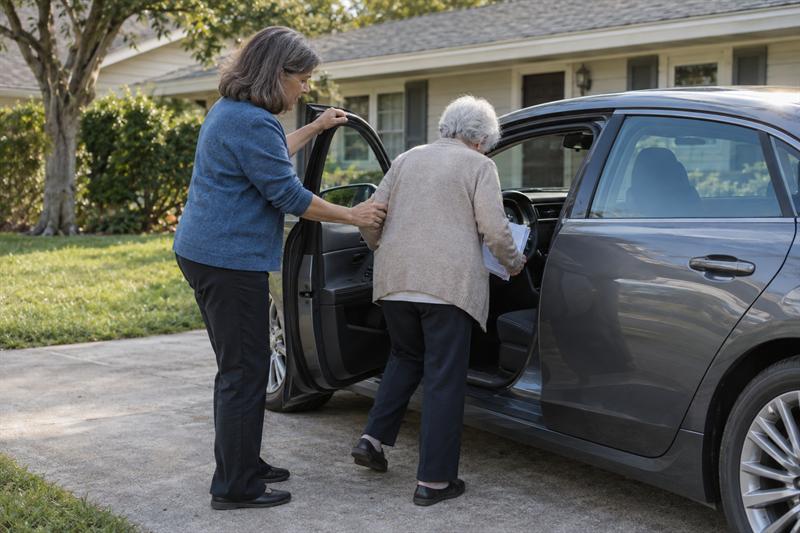
For many older adults, transportation is one of the first daily tasks that starts getting harder. At Honeybee Homecare, families often notice this before they fully recognize that support needs are changing. It may begin with one delayed ride or one stressful appointment day, then grow into missed routines, safety concerns, and more pressure on family members.
Planning transportation for older adults usually works best when it is treated as part of daily support. That includes the schedule, the timing, the outing itself, and the return home. If the plan only covers who is driving, important parts of the challenge can be missed.
Why transportation becomes a daily planning issue for older adults
Transportation needs rarely change all at once. A common pattern is that an older adult still seems mostly independent, but certain outings start becoming harder. Doctor visits take more energy, errands become more complicated, and family members begin filling more gaps than they expected.
This is where problems often start. What looks like a ride issue can turn into a reliability issue, then a safety issue, then a routine issue. Once transportation becomes inconsistent, medical appointments, grocery trips, and social connection can start to suffer.
Common signs that informal ride arrangements are no longer enough
- Appointments are being rescheduled because no one is available to drive
- Getting ready to leave on time has become difficult
- Walking from the parking lot or getting in and out of the car takes more effort than it used to
- Family, friends, or neighbors are helping, but the arrangement no longer feels dependable
If these signs are showing up, the issue is often no longer temporary. It usually means transportation has shifted from occasional help to an ongoing support need.
Why transportation affects independence more than many families expect
Reliable transportation supports much more than movement from place to place. It helps older adults keep up with medical care, pick up essentials, and maintain routines that make daily life feel stable.
When transportation becomes unreliable, people may start pulling back from appointments, errands, and social outings. That can lead to a smaller routine, more dependence on others, and more isolation at home. Aging in Place Checklist: How to Safely Stay at Home as You Get Older explores this in a broader home safety context: staying at home successfully depends on more than what happens inside the home.
What senior transportation support should actually include
Senior transportation support usually includes the full outing, not just the ride. It can involve planning, preparation, timing, mobility awareness, and follow-through afterward. This is where many families get stuck because they solve for the car but not for the rest of the day.
A ride alone works best when the older adult can manage everything else independently. Once that changes, transportation support may need to cover more than pickup and drop-off. That is why transportation often fits within broader in-home care planning, as explained in the In-Home Senior Care Service Guide: Services, Care Process, and Next Steps.
More than getting from one place to another
Transportation support usually includes several moving parts:
- Scheduling and reminders: making sure the outing is planned and not forgotten
- Trip preparation: getting ready on time and gathering needed items
- Escort or companion support: helping when the older adult should not manage the outing alone
- Return timing: making sure the trip home is as workable as the trip out
This distinction matters because many outing problems happen outside the car. A ride may be available, but the day can still fall apart if no one has planned the details around it.
Support before, during, and after the ride
Before the ride, support may include reminders, paperwork, proper clothing, and enough time to get ready without rushing. During the ride, the focus may shift to comfort, safe entry and exit, and adjusting if the schedule changes.
After the ride, the outing may still not be over. Groceries may need to be brought in, paperwork may need to be put away, and the older adult may need help settling back into the day. Families often underestimate this part. Even a short outing can disrupt the routine when there is no plan for what comes next. For a broader look at how support fits into daily life, see What Does a Typical Day of In-Home Care Look Like?.
How to plan transportation for medical appointments
Medical transportation usually requires more planning than many routine outings. These trips may involve check-in times, documents, changing schedules, and more physical or mental fatigue on the way home. If the transportation plan is too tight, the whole day can become stressful.
A common pattern is that families assume the hard part is getting to the appointment. In practice, the harder part is often managing the full timeline around it. That can include preparing before leaving, waiting through delays, and handling the return home after a tiring visit.
Timing, paperwork, and pickup coordination
A solid transportation plan for medical appointments should cover these steps:
- Build in extra time before check-in so the outing does not start rushed
- Prepare identification, insurance cards, medication lists, and written questions ahead of time
- Clarify the pickup plan and avoid relying on vague return timing
- Expect delays and leave room in the schedule for them
This approach can make the day feel calmer and reduce missed details. Families looking for a local planning lens can also review Steps to Get Reliable Transportation for Seniors in Roswell GA to think through consistency and fit.
When a companion may help with the outing
Some older adults do fine with transportation alone. Others need support that starts before they enter the car and continues through the appointment. That often becomes clear when mobility, memory, waiting-room logistics, or follow-up instructions are becoming hard to manage alone.
If an older adult is forgetting what to bring, feeling overwhelmed at check-in, or struggling to move through the outing safely, the need may have moved beyond transportation alone. In those situations, companionship or other in-home support may be a better fit.
If you are seeing these signs, transportation alone may not be enough:
- Appointments are being missed even when a ride is available
- Your loved one gets confused about where to go or what to bring
- Getting ready for the outing takes as much help as the ride itself
- The return home is difficult because of fatigue, weakness, or disorientation
When these patterns are showing up, added support around the outing may be needed, not just a driver.
How to plan rides for errands, groceries, and routine outings
Errands sound simple, but they are often the outings that reveal how much daily effort has changed. Grocery stores can involve walking, decision-making, lines, and carrying items. A quick pharmacy stop may still be tiring if parking is far away or standing is difficult.
This usually gets harder when families stack too many tasks into one trip. What starts as efficiency can turn into fatigue, frustration, and a much harder day than expected.
Grouping errands to reduce stress and fatigue
A better approach is to plan errands with energy in mind, not just convenience. Essential stops should come first, and not every task needs to happen in the same outing.
- Put the most important stop first
- Limit the number of places in one trip
- Consider walking distance, waiting time, and how much needs to be carried
- Choose times of day when the older adult usually has more energy
This can help prevent the outing from becoming physically draining. It also makes each trip more predictable, which is often the difference between a manageable routine and an exhausting one.
Balancing independence with safety
Older adults usually want to stay involved in their own routines, and that should be respected. The goal is not to take over tasks that are still manageable. The goal is to reduce the strain that can turn a normal outing into a risky or exhausting one.
If carrying bags, stepping off curbs, or standing in line has become difficult, that is no longer just a small inconvenience. It can be a sign the outing needs to be adjusted so independence is supported realistically instead of pushed past comfortable limits.
How to evaluate safe ride options for older adults
Not every transportation option solves the same problem. Some services work well for simple rides. Others are a better fit when the older adult needs help with timing, mobility, supervision, or a predictable routine.
This is where many families lose time. They compare transportation choices by availability alone, when the better question is whether the option actually matches the older adult’s daily needs. If the fit is wrong, the transportation plan may keep breaking down.
Questions to ask about reliability, assistance, and supervision
When comparing options, these are the questions that matter most:
- Is the ride dependable for recurring appointments and regular errands?
- Is help available getting in and out of the vehicle if needed?
- Can the older adult manage the destination alone once dropped off?
- What happens when appointments run late or plans change?
- Is the same transportation approach workable for both medical visits and errands?
These questions help separate simple transportation from usable transportation. That distinction matters because the wrong fit can lead to canceled plans, repeated stress, and more last-minute scrambling for family members.
When transportation needs may point to broader in-home support
Transportation problems rarely stay isolated for long. A common pattern is that the ride becomes harder at the same time other daily tasks are becoming less manageable. Getting dressed, remembering appointments, preparing for the outing, or settling back in at home may all start requiring more help.
If that is happening, the better solution may include broader support, not just a better ride arrangement. Transportation may need to work alongside companionship, instrumental activities of daily living support, or hands-on help depending on the situation. Families comparing those levels of help can review Types of In-Home Care Services Explained (Companionship, ADLs, Transportation, More) for a clearer breakdown.
Building a simple senior transportation plan
Transportation gets easier when it becomes a routine instead of a repeated emergency. The best plan is simple, repeatable, and realistic about what each outing requires.
If there is no system, the same problems can keep repeating. Rides may get arranged too late, key items may get forgotten, return times may become unclear, and family members may keep solving the same issue from scratch.
Weekly transportation checklist
A practical transportation plan should include:
- All upcoming appointments and errands for the week
- The level of support needed for each outing
- Who is providing the ride or support
- What documents, items, or supplies need to be ready beforehand
- Extra time built in for preparation and delays
- What help will be needed after returning home
This kind of checklist can make transportation more stable because it turns scattered decisions into one coordinated plan.
Backup plans for schedule changes or weather disruptions
Transportation plans often fail when there is no backup. Weather shifts, longer appointments, and driver conflicts are part of real life, so the plan usually needs to account for them.
That usually means having a second option when possible, avoiding tight scheduling, and adjusting non-urgent trips when conditions make outings harder. Seasonal conditions are one example, and Winter Safety Tips For Senior Transportation Services offers practical guidance on how weather changes affect planning.
Transportation support and aging in place
Reliable transportation supports aging in place because it helps older adults stay connected to healthcare, errands, routines, and social interaction.
When transportation starts failing, independence can shrink with it. That is why ride planning is often part of a larger home support strategy, not a separate errand. If transportation is becoming a repeated challenge, the overall care routine may need a closer look.
Key Takeaways
- Senior transportation support should cover the full outing, not just the drive.
- Missed appointments, stressful errands, and difficult pickup routines are signs that informal help may no longer be enough.
- Medical appointments often require more planning than everyday errands because timing, paperwork, and fatigue can all be part of the trip.
- If getting ready, managing the destination, or returning home safely has become difficult, transportation alone may not be enough.
- A weekly plan with backup options can help prevent transportation from becoming a repeated crisis.
How Honeybee Homecare approaches transportation support
At Honeybee Homecare, transportation is viewed as part of the larger routine that helps an older adult remain steady at home. That means looking beyond the ride itself and paying attention to where the outing is breaking down. Sometimes the issue is scheduling. Sometimes it is mobility. Sometimes it is that the older adult can get to an appointment but cannot comfortably manage the rest of the outing.
This is something families often run into after piecing together rides for a while. The arrangement works until it stops working. At that point, the next step may be a more organized support plan that matches what the older adult needs before, during, and after leaving home.
Conclusion
The real transportation problem usually is not the lack of a car. It is the lack of a dependable plan for the whole outing. When that is not addressed, appointments can be missed, errands can become exhausting, and independence can start narrowing one trip at a time.
If transportation is becoming harder to manage, waiting can make the problem more complicated. At Honeybee Homecare, support is built around the actual pattern families are dealing with, whether that means transportation on its own or transportation combined with companionship and daily living support. For families trying to decide what level of help makes sense next, a useful next step is to review the In-Home Senior Care Service Guide: Services, Care Process, and Next Steps and move toward a plan that is workable, consistent, and easier to maintain.
FAQ
What is included in senior transportation support?
Senior transportation support includes more than the ride. It often covers scheduling, reminders, getting ready to leave, safe entry and exit from the vehicle, and what needs to happen after returning home.
The important distinction is between transportation access and transportation support. Access means there is a ride available. Support means the outing actually works from start to finish. A doctor visit, for example, may involve paperwork, extra timing, and help settling back in afterward. That is why a simple drop-off is not always enough.
How do families plan transportation for older adults who no longer drive?
Families usually need a repeatable schedule, not a series of last-minute ride arrangements. A practical starting point is to list regular destinations, then identify what level of help is needed for each one.
A useful way to think about it is by outing type. A familiar weekly errand may need very little support, while a specialist appointment may require extra timing, mobility help, and someone to stay involved through the visit. The decision changes based on what the outing requires, not just where the person is going.
What should families consider when arranging rides to medical appointments for seniors?
Medical rides should be planned with more margin than everyday trips. Time for check-in, paperwork, delays, and fatigue after the visit all need to be built in from the beginning.
This is where planning usually goes wrong. Families focus on arrival time but forget that the outing continues after the appointment ends. If the older adult is tired, confused, or needs help handling follow-up steps, the return home becomes just as important as the ride to the office.
When is a transportation service not enough on its own?
A transportation service is usually not enough when the older adult is struggling with everything around the ride. That includes getting ready, remembering what to bring, managing the destination alone, or returning home safely afterward.
This may mean the need has moved beyond transportation and into broader daily support. For example, a person may have a ride to an appointment but still miss it because no one helped them prepare in time. In that case, the real problem is not transportation availability. It is that the outing now requires additional support to work.
How can older adults get help with errands and routine outings safely?
Safe errand support starts with realistic planning. That means limiting how much is packed into one trip, putting essential stops first, and accounting for walking, waiting, and carrying items.
What commonly gets misunderstood is that short errands can still be demanding. A grocery trip may involve more standing, decision-making, and physical effort than the family expects. Safety depends less on whether the store is nearby and more on whether the full outing matches the older adult’s current energy and mobility.
How do you create a simple transportation plan for an aging parent?
A simple plan should list all appointments and errands for the week, identify who is helping with each outing, and note what support is needed before, during, and after the trip.
What matters most is consistency. If every ride depends on last-minute availability, the same stress keeps repeating. A workable plan creates structure ahead of time, which usually leads to fewer missed details and a more stable weekly routine.