
by Honeybee Homecare | Sep 23, 2026 | Senior Care
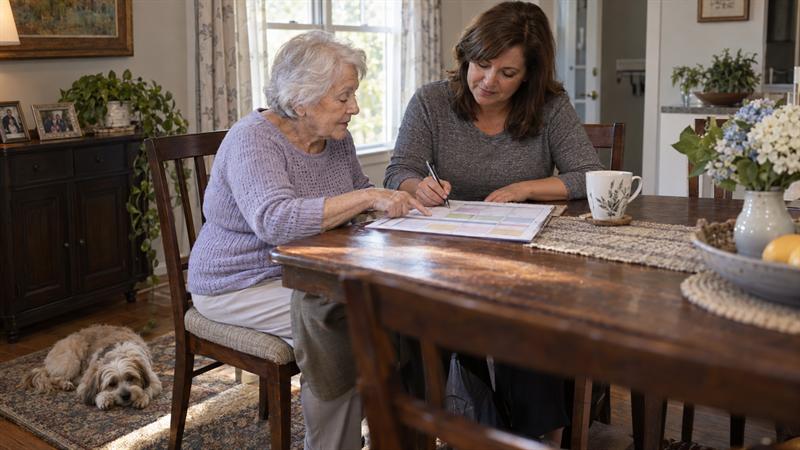
Home Care vs Home Health at a Glance Families usually run into this question when something has changed at home, but the next step is still unclear. A parent may be missing meals, struggling in the shower, forgetting appointments, or coming home after a hospital stay,...
by Honeybee Homecare | Sep 16, 2026 | Senior Care
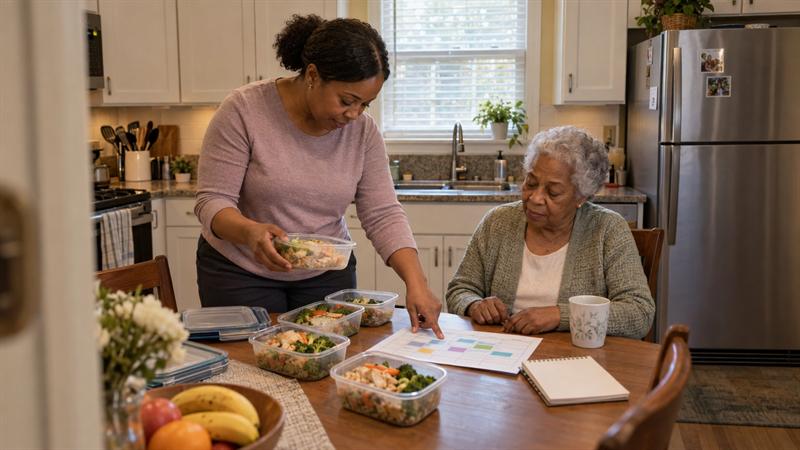
Introduction Start by identifying what needs to happen during the day and where help is missing. Someone might manage comfortably at home but struggle with appointment transportation. Another person might need physical assistance getting dressed while managing...
by Honeybee Homecare | Sep 9, 2026 | Senior Care
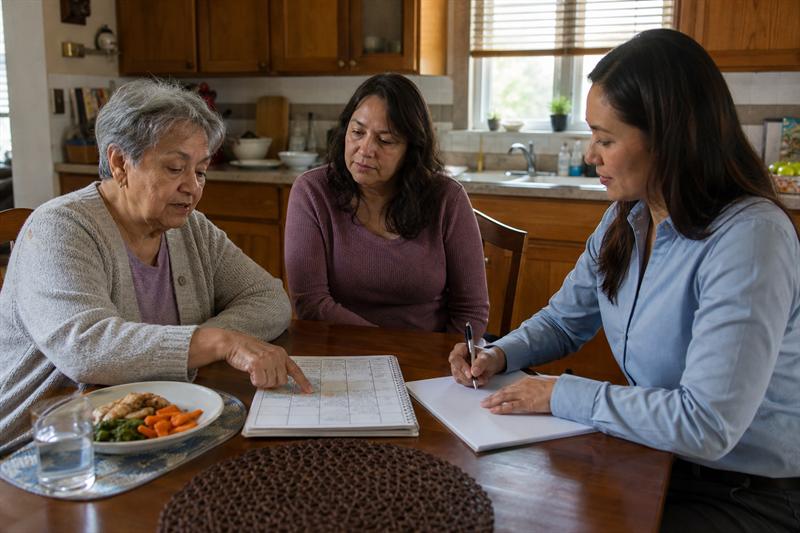
Quick Answer: A common mistake is choosing caregiver hours before defining the tasks, which can lead to schedules that are too low or too high. At Honeybee Homecare, the right frequency is built from the task list, safety considerations, and family support....
by Honeybee Homecare | Sep 2, 2026 | Senior Care
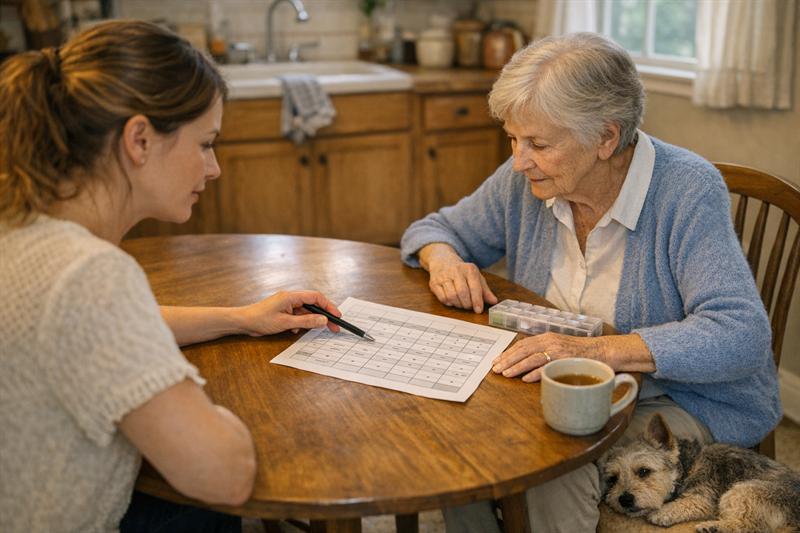
Starting home care often follows a series of smaller concerns. Errands may be missed, meals may be harder to manage, transportation may feel less reliable, or family members may be carrying more responsibility than they can sustain. The difficult part is not always...
by Honeybee Homecare | Aug 26, 2026 | Senior Care
Quick Answer: The caregiver matching process works best when it considers more than open schedule slots. Your parent’s support needs, routine, communication style, home environment, and comfort with receiving help all affect whether in-home support becomes part of...

by Honeybee Homecare | Aug 19, 2026 | Senior Care
Families usually ask this question after something changes. A parent may skip meals, stop driving, struggle in the shower, let laundry pile up, or seem less steady on their feet. The challenge is not simply finding “help.” It is identifying which daily tasks need...