
Quick Answer: The most important home care consultation questions focus on how care is personalized, how caregivers are matched, how flexible the service is, and how safety and communication are handled. When these areas are unclear, care is more likely to feel inconsistent and harder to manage over time.
Why the Consultation Stage Matters More Than You Think
A home care consultation is more than an introduction. It is where the structure of care starts to take shape, and the quality of that conversation can affect how well daily support works.
Many families move quickly, choose based on availability or price, and later realize they do not fully understand how care will be delivered. That is often when problems start. Care feels generic, routines are missed, and small gaps become daily frustrations.
If you are still deciding whether care is needed, it helps to recognize early changes. This guide on what makes everyday tasks harder for seniors living alone explains how those needs can develop over time.
What to Expect During a Home Care Consultation
How an In-Home Assessment Typically Works
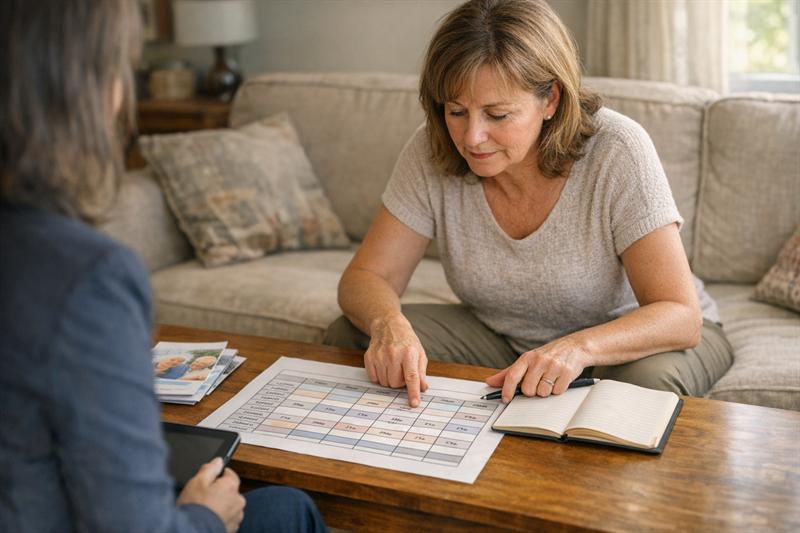
A consultation usually includes a walkthrough of the home, a review of daily routines, and a discussion of current challenges. Providers may ask about mobility, safety concerns, and how everyday tasks are being managed.
Families often focus first on visible needs like bathing or meals. Smaller gaps, such as reminders, loneliness, or transportation, can be easier to overlook even though they may create ongoing strain.
When those details are not addressed early, the care plan often needs frequent adjustments. That can create instability right at the start.
Who Should Be Involved in the Conversation
- The person receiving care, whenever possible
- Primary family decision-makers
- Anyone actively helping with care or scheduling
When the care recipient is left out, resistance can follow. Including them early helps the plan reflect real preferences, routines, and comfort levels.
Essential Questions About Care Needs and Services
How Will You Build a Personalized Care Plan?
This question sets the tone for everything else. A strong provider should be able to explain how they look at both ADLs and IADLs and how those needs translate into daily support.
At Honeybee Homecare, care planning is treated as an ongoing process, not a one-time decision. It is built around routines, preferences, and how the person actually lives.
Needs do not stay the same. If a provider cannot explain how updates are handled, the care plan can quickly fall out of sync with day-to-day reality.
What Types of Support Are Available?
- Hands-on help with bathing, dressing, and mobility
- Support with meals, errands, and household tasks
- Companionship and social interaction
- Transportation to appointments and activities
- Help with pet care and daily routines
Each of these services supports a different part of daily life. When services are not clearly defined, families often end up filling the gaps themselves, which can lead to fatigue and inconsistency.
For a clearer understanding of care categories, this breakdown of ADLs and IADLs in senior care explains how needs are commonly evaluated.
Questions About Caregivers and Compatibility
How Are Caregivers Selected and Matched?
This is one of the most overlooked parts of the consultation. Qualifications matter, but they do not fully determine day-to-day success.
Some providers assign caregivers mainly based on availability. That can lead to mismatches in personality, communication style, and routine. When that happens, care may feel uncomfortable or inconsistent.
Strong providers can explain how they match caregivers based on preferences, routines, and consistency. That alignment often makes care feel more natural and less disruptive.
What Happens If the Caregiver Isn’t the Right Fit?
- How quickly can a replacement be arranged?
- Is there a structured feedback process?
- Who manages communication and changes?
If this process is unclear, concerns may linger longer than they should. Over time, that can lead to frustration and lower confidence in the care arrangement.
Questions About Scheduling, Flexibility, and Support
How Flexible Is the Care Schedule?
- Can care range from short visits to full-day support?
- How are schedule changes handled?
- Is weekend or holiday care available?
Care needs change over time. When schedules are too rigid, families often end up adjusting their lives to fit the service instead of the other way around.
What Happens in Emergencies or Last-Minute Changes?
Ask about backup caregivers, response procedures, and how communication works. When this is not clearly defined, coverage gaps are more likely and stressful situations can become harder to manage.
Questions About Safety, Training, and Oversight
What Training and Screening Do Caregivers Receive?
- Background checks and verification
- Skills training for hands-on care
- Ongoing education and support
When training standards are unclear, care can feel inconsistent. That is often where small problems with routines, communication, or safety expectations begin to show up.
How Is Care Quality Monitored Over Time?
Care quality usually depends on regular oversight. Ask how often supervisors check in, how updates are shared, and how care plans are reviewed.
Without ongoing follow-up, small concerns can build until bigger adjustments are needed.
Questions About Cost, Transparency, and Next Steps
How Is Pricing Structured?
Pricing should be clearly explained based on hours, level of care, and services provided. When details are vague, confusion often follows, especially if needs increase.
What Happens After the Consultation?
- When does care begin?
- How is the final plan confirmed?
- How is the caregiver introduced?
If there is no clear next step, the process can slow down. That delay may create care gaps at a time when support is already needed.
Red Flags to Watch for During a Consultation
- Generic answers that do not reflect your situation
- No clear explanation of caregiver matching
- Pressure to commit before details are fully explained
- Unclear pricing or service structure
- Limited detail about communication and oversight
These signs tend to show up early. When they do, the same gaps often carry into the care experience.
How to Compare Home Care Providers Confidently
The goal is not just to collect answers. It is to understand how each provider thinks, communicates, and operates.
Clear, specific answers usually reflect a more organized process. Vague responses often point to areas that will need follow-up later.
Many families only realize this after care begins and adjustments are needed. Reviewing providers more carefully upfront can help avoid that cycle. This guide on evaluating home care providers beyond the basic checklist goes deeper into what to look for.
Key Takeaways
- The consultation helps shape how care will function day to day
- Clear, detailed answers matter more than quick responses
- Personalization and flexibility support more stable care
- Small planning gaps often grow over time
Conclusion
Many families walk into a consultation unsure of what to ask. That uncertainty can lead to incomplete plans, mismatched caregivers, and added pressure as needs change.
When the right questions are not asked, issues rarely stay small. They can grow into inconsistent routines, communication breakdowns, and ongoing stress for everyone involved.
At Honeybee Homecare, the consultation is designed to help prevent those patterns. Care plans are built around how life is actually lived, with room to adjust as needs change.
If you are preparing for a consultation, ask direct questions, expect clear answers, and choose a provider who can explain how care will work in real life, not just describe it in general terms.
Frequently Asked Questions
What happens during a home care consultation?
A home care consultation usually includes reviewing routines, care needs, and the home environment. Providers may ask about safety, mobility, and areas where daily support would help. Preparing questions in advance can make the conversation more useful.
How do I prepare for a home care assessment?
List daily challenges, routines, and specific needs such as mobility, meals, transportation, and social support. Clear details help providers understand the full picture. Bringing a written list of questions also makes it easier to compare options afterward.
What should I look for in a home care provider?
Look for clear communication, a defined care planning process, and a thoughtful approach to caregiver matching. Strong providers explain how care can adjust over time. If answers are unclear during the consultation, those gaps may continue later.
How long does a home care consultation take?
Many consultations take between 45 and 90 minutes, depending on the situation. More involved care needs may require more discussion. Rushing this step can mean missing important details.
Are home care consultations free?
Many providers offer consultations at no cost as part of the onboarding process. This gives families a chance to ask questions and understand services before making a decision. It is still worth confirming ahead of time.
Can care plans change after services begin?
Yes, care plans can be adjusted as needs, routines, and preferences change. Providers should be able to explain how updates are requested, reviewed, and put into place so care continues to fit the situation.