
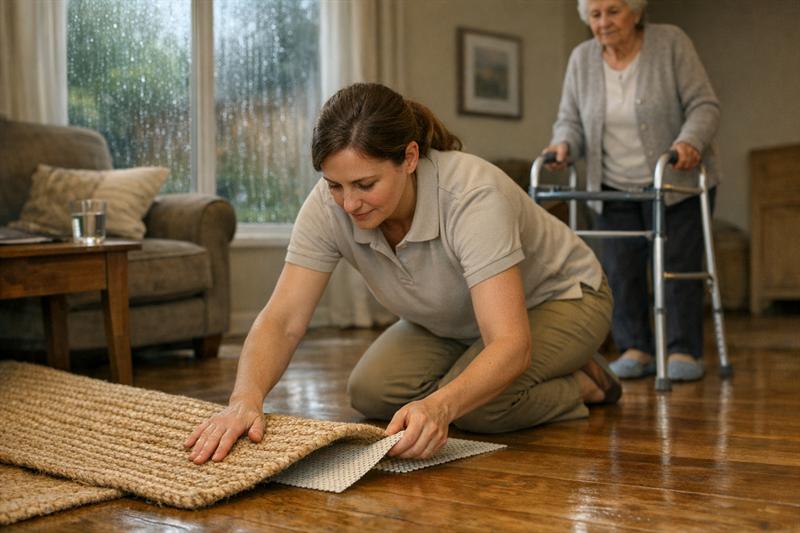
Quick Answer: Seasonal risks for seniors increase because aging can make it harder to adapt to temperature changes, mobility challenges, and shifts in routine, raising the likelihood of falls, illness, and disruptions to daily life at home.
It usually starts small: a skipped walk during a heatwave, a slippery step after rain, or a missed appointment when the weather turns cold. These moments can seem isolated, but they often repeat. Over time, they can affect how safely and consistently daily life is managed.
For older adults living at home, seasonal changes often do more than change the weather. They can disrupt routines, limit activity, and make familiar tasks feel less predictable. That is often when small gaps in safety and support begin to show.
Why Seasonal Changes Matter More as We Age
Seasonal changes do more than affect comfort. They can influence balance, energy, and consistency. As the body becomes less adaptable, even minor changes in the environment may have a bigger impact on daily life.
How Aging Affects Temperature Regulation, Balance, and Immunity
With age, the body may become less efficient at adjusting to heat and cold. This can show up as fatigue, slower movement, or reduced awareness of dehydration. Balance may also feel less steady, especially when conditions change quickly.
These changes are often gradual. Nothing feels urgent at first, but small physical shifts can build over time, making everyday tasks take more effort.
Why Small Environmental Changes Create Bigger Risks at Home
A slightly colder room, a dim hallway, or a wet floor can change how safely someone moves through the home. What used to feel routine may start to require more attention and effort.
That can lead to hesitation, slower movement, and missed steps in daily routines. When that pattern repeats, the chance of a problem increases.
For a closer look at maintaining safety at home, this aging in place checklist outlines what safe, consistent independence can involve.
Spring and Fall: Transitional Risks That Are Often Overlooked
Spring and fall often feel manageable, but they can bring the most inconsistency. Temperatures shift day to day, and routines do not always adjust quickly enough to keep up.
Allergies, Respiratory Stress, and Fatigue
Seasonal allergies and air quality changes can affect energy and focus. In some cases, that leads to slower movement and less consistency in daily habits.
Sometimes the first sign is subtle. A person who was active starts slowing down, not because of one major event, but because their energy becomes less reliable.
Increased Fall Risks from Rain, Leaves, and Uneven Surfaces
Wet sidewalks, scattered leaves, and uneven ground increase the chance of slips and missteps. Even familiar paths can become less predictable.
This is where routines and conditions can stop matching. The activity stays the same, but the environment changes, increasing fall risk.
Routine Disruptions and Mobility Changes
Changes in clothing, daylight, and daily schedules can affect how consistently routines are followed. When routines become less consistent, stability often declines.
Fall prevention becomes especially important during these transitions. This home safety checklist for seniors living alone highlights risks that are easy to overlook inside the home.
Summer Risks for Seniors Living at Home
Summer risks are often underestimated because they can build gradually. Heat affects energy, hydration, and how long someone can stay active.
Heat Sensitivity and Dehydration
Many seniors experience a reduced sense of thirst. That can lead to lower fluid intake, which may affect energy, balance, and alertness.
Often, hydration drops first. Then energy declines, and movement may become less steady. That progression can increase fall risk.
Medication Interactions with Heat
Some medications can affect how the body responds to heat or processes fluids. During hot weather, that can make daily activities feel more tiring or difficult.
Reduced Activity and Isolation Indoors
As temperatures rise, many seniors spend more time indoors. Activity levels may drop, and social interaction can become less frequent.
Over time, that may lead to reduced strength and lower engagement. If the pattern continues, it can become harder to return to previous routines.
These changes are sometimes first noticed from a distance. This guide on how to monitor a loved one’s well-being from a distance explains what patterns to watch for.
Winter Risks and Safety Concerns
Winter brings more obvious hazards, but it can also introduce slower, less visible changes inside the home.
Ice, Falls, and Mobility Limitations
Outdoor movement becomes more difficult and less predictable. Even short trips can carry more risk because of ice, snow, and cold surfaces.
That often leads to reduced movement overall. As mobility decreases, strength and confidence may decline as well.
Heating Hazards and Indoor Safety
Heating equipment, dry indoor air, and uneven temperatures can create safety concerns. These issues often develop quietly and may go unnoticed until they begin affecting comfort or routine.
Loneliness and Reduced Social Interaction
Colder weather can limit outings and social contact. Over time, that may reduce daily engagement.
Lower interaction can affect motivation, which may then influence physical activity and routine.
Consistent companionship can help support daily structure. Learn more about the role of senior companionship services in maintaining daily engagement.
How Seasonal Risks Affect Daily Living (ADLs & iADLs)
Seasonal changes often show up most clearly in daily tasks. When routines become harder to maintain, support needs may be changing.
Bathing, Dressing, and Mobility Challenges
Temperature and comfort directly affect basic activities. Cold spaces can make bathing less appealing or more difficult, while heat can increase fatigue during movement.
That can lead to skipped steps or rushed routines, which reduces safety.
Meal Preparation and Hydration Changes
Appetite and hydration can shift with the seasons. Meals may become less consistent, and fluid intake may drop.
Over time, that can affect energy and physical stability.
Transportation and Missed Appointments
Weather disruptions can make transportation less reliable. Appointments may be delayed or skipped, and routines can lose structure.
When essential tasks start slipping, it is often a sign that additional support could help maintain consistency.
This guide explains ADLs and iADLs in senior care and how changes in daily tasks can reflect shifting care needs.
If you are noticing these changes, it may be a sign that more support would help:
- Meals are skipped or energy levels stay low throughout the day
- Walking becomes slower or more hesitant
- Appointments or outings are missed more often
- Daily routines change noticeably with each season
When these patterns become consistent, waiting can make it harder to address them early and smoothly.
Practical Ways to Reduce Seasonal Risks at Home
- Adjust lighting, flooring, and indoor temperature for seasonal conditions
- Keep daily routines as consistent as possible
- Pay attention to hydration and meal patterns
- Plan transportation before weather becomes a barrier
- Maintain regular check-ins
- Notice small changes in movement, energy, or behavior
These steps are most effective when put in place early. Once routines break down, restoring them often takes more time and support.
When Additional Support Becomes Important
Seasonal changes often make it easier to see when living independently is becoming harder to manage safely.
This is where structured support can be especially helpful. Companionship may help maintain routine and reduce isolation. Hands-on assistance can support mobility and personal care. Help with errands, meals, and transportation can keep daily life more consistent.
Many families wait until something goes wrong before adding support. In practice, it is often easier to make changes before a fall, missed appointment, or disrupted routine creates a larger setback.
This comparison of independent living vs. in-home care helps clarify when additional support may be the safer and more sustainable option.
Conclusion
Seasonal changes can create a steady pattern of risk for seniors living at home. The issue is not just the weather itself. It is how those changes disrupt routines, reduce stability, and expose gaps in daily support.
When these patterns are ignored, they can lead to falls, missed care, or a noticeable decline after a single event. What begins as a small seasonal adjustment can grow into a larger safety concern.
Honeybee Homecare helps address these gaps before they become harder to manage. With personalized in-home support that adjusts as needs change, daily routines can stay more consistent and safety can be easier to maintain year-round.
If routines are already shifting or becoming harder to manage, early support can help prevent avoidable setbacks and preserve independence.
Key Takeaways
- Seasonal changes can affect safety by disrupting routines and mobility
- Spring and fall often introduce hidden risks through inconsistency
- Daily activities may become harder to maintain as conditions change
- Small disruptions can build into larger safety concerns over time
- Early support can help maintain stability and independence
Frequently Asked Questions
What are the most common seasonal risks for seniors?
Common seasonal risks include falls, dehydration, illness, and isolation. These concerns often increase when weather affects mobility and daily routines. Watching for early changes can help families decide when added support may be useful.
Why are seniors more sensitive to heat and cold?
Aging can reduce how effectively the body regulates temperature. That can affect hydration, energy, and comfort, especially during weather extremes.
How can families help reduce fall risks during seasonal changes?
Reducing environmental hazards and keeping routines consistent are two of the most practical steps. Slippery surfaces, poor lighting, and clutter can increase risk quickly, especially when conditions change.
When should a senior consider in-home care support?
In-home support may be worth considering when daily routines start becoming harder to manage consistently. Missed meals, reduced mobility, and increasing isolation are common signs that extra help could make home life safer and more manageable.
How do seasonal changes affect seniors living alone?
They can increase both physical risk and isolation. Limited movement, fewer outings, and less interaction can gradually affect routine, energy, and overall stability.
What are the safest ways for seniors to stay independent year-round?
Consistency matters most. Maintaining routines, adapting the home to seasonal conditions, and addressing small changes early can help preserve independence over time.