
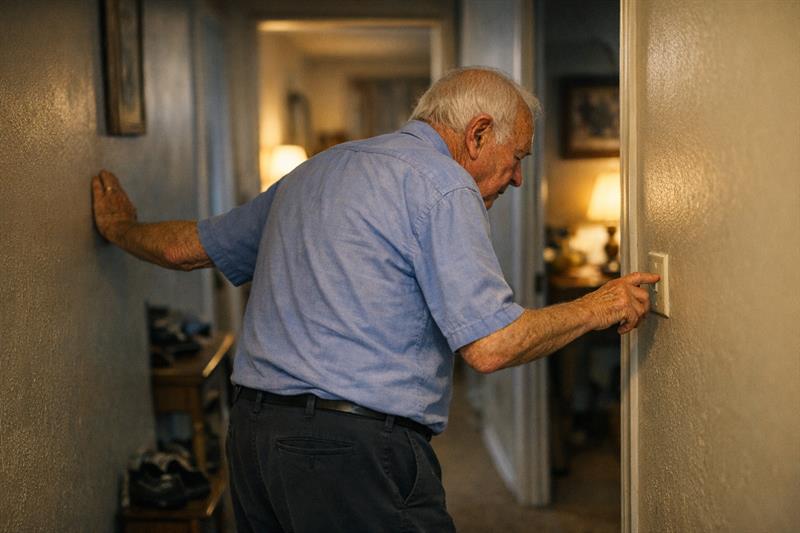
Quick Answer: A home safety checklist for seniors helps identify fall risks, improve visibility, and make everyday spaces easier to use. Many safety issues develop through small daily routines that gradually become harder to manage.
Introduction
It usually starts with something small: a missed step, a dim hallway, or a chair that takes more effort to get out of than it used to.
The home still feels familiar, but something has shifted. Tasks that once felt automatic now require more attention, and that change can go unnoticed until there’s a fall or a close call.
This room-by-room home safety checklist for seniors is designed to make those risks easier to spot in a practical way that reflects how daily life actually happens.
Why Home Safety Matters for Seniors Living Alone
Home safety plays a major role in whether someone can continue living independently. When the home no longer supports daily routines well, risk tends to increase.
Common Risks That Increase With Age
Balance can change. Strength may decline. Vision often becomes less reliable, especially in low light. These are common changes, but they affect how a person moves through their environment.
The layout may stay the same, but the person navigating it may have different needs. That gap is where risk can build.
Why Small Hazards Become Serious Issues
A loose rug or poor lighting may seem minor. Over time, those details can combine with slower reaction time or reduced stability and increase the chance of a fall.
This often becomes more noticeable when routines stay the same but the home does not adapt. Independence depends in part on how well the environment keeps up with those changes.
For a broader look at staying safely at home, see this aging in place checklist.
How to Use This Home Safety Checklist
Walk through the home the same way daily life happens. The goal is not just to inspect rooms, but to follow routines.
What to Look For in Each Room
- Paths used multiple times a day
- Transitions between surfaces
- Lighting changes from one space to another
- Tasks that require bending, reaching, or turning
How to Prioritize Safety Fixes
- Start with fall risks
- Address lighting and visibility
- Improve accessibility for daily tasks
- Handle minor or cosmetic issues last
A common mistake is trying to fix everything at once. That usually leads to delays. Focusing on the highest-risk areas first is often more manageable and more effective.
Entryways and Hallways Safety Checklist
Lighting and Visibility
- Keep lighting consistent from the entryway to main living areas
- Replace dim bulbs with brighter options
- Add night lights in darker areas
Trip Hazards and Flooring
- Remove or secure loose rugs
- Keep walkways clear of clutter
- Check for uneven flooring or raised thresholds
Accessibility and Support
- Add sturdy handrails or handholds where needed
- Make sure doors open and close easily
These areas connect the home. Transitions between spaces are often where balance is challenged most.
Living Room Safety Checklist
Furniture Layout and Mobility
- Create clear, open walking paths
- Avoid tight turns between furniture
- Use chairs that are easy to sit in and stand up from
Electrical and Cord Safety
- Secure loose cords
- Keep cords away from walking paths
Emergency Access and Communication
- Keep a phone within reach
- Make emergency contacts easy to find
Furniture is often arranged for appearance first, not movement. Over time, navigating around obstacles can increase hesitation and instability.
Kitchen Safety Checklist
Appliance Safety
- Use appliances that are easy to operate
- Keep frequently used items within reach
Food Storage and Reachability
- Avoid storing items too high or too low
- Organize shelves to reduce bending and stretching
Fire Prevention and Awareness
- Keep cooking areas clear
- Check that smoke detectors are working
In many homes, the biggest kitchen risk comes from overreaching or using unstable stools. Small adjustments to storage can make everyday tasks safer.
Bathroom Safety Checklist
Fall Prevention Essentials
- Install grab bars near the toilet and shower
- Use non-slip mats in and around the tub
- Keep floors dry and clear
Water Temperature and Surface Safety
- Set water temperature to a comfortable, safe level
- Use slip-resistant surfaces
Accessibility Upgrades
- Consider a shower chair or walk-in shower
- Keep daily items within easy reach
The bathroom can be one of the most challenging areas in the home. Limited space and wet surfaces reduce stability and leave little room to recover from a misstep.
If you’re noticing these signs, the home setup alone may no longer be enough:
- Hesitation before using the bathroom or stairs
- Items moved closer to avoid walking or reaching
- Skipping routines like bathing or cooking
- Clutter building up in commonly used spaces
These patterns may point to a need for added support, not just changes to the home.
Bedroom Safety Checklist
Nighttime Safety and Lighting
- Use bedside lighting that is easy to reach
- Keep a clear path to the bathroom
Bed Height and Mobility
- Adjust bed height for easier entry and exit
- Avoid overly soft or unstable mattresses
Emergency Preparedness
- Keep a phone or alert device nearby
Risk often increases at night. Lower visibility and urgency can make routine movements harder to manage safely.
Stairs and Outdoor Areas
Railings and Stability
- Install sturdy railings on both sides when possible
- Check for loose steps or uneven surfaces
Weather-Related Hazards
- Keep walkways clear
- Address slippery surfaces promptly
Entryway Safety
- Make sure steps are stable and well lit
Outdoor areas introduce uneven surfaces and changing conditions. Those factors can make movement less predictable.
When a Checklist Isn’t Enough: Signs Extra Support May Be Needed
Subtle Warning Signs Families Often Miss
- Avoiding certain areas of the home
- Changes in daily routines
- Growing clutter or disorganization
- Slower or more cautious movement
How In-Home Support Can Help
When safety issues shift from the home itself to how daily tasks are managed, changes to the environment may no longer be enough on their own.
Missed routines can lead to skipped meals, reduced hygiene, and greater day-to-day risk over time.
Understanding how daily support fits in is important. In-home senior care supports daily needs in ways that go beyond what home adjustments can solve.
If you’re unsure where that point is, this guide explains when more support may be needed.
Creating a Safer, More Independent Home
Balancing Safety and Independence
Safety should make daily life easier, not more restrictive. The goal is to support independence while reducing risk.
Ongoing Home Safety Reviews
Needs change over time. A setup that works today may not work as well later.
Homes are often adjusted once, then left unchanged even as daily challenges increase. Reviewing the setup regularly helps keep the space aligned with current needs.
Key Takeaways
- Many risks come from daily routines, not just obvious hazards
- Room-by-room checks can reveal patterns that are easy to miss
- Falls often happen during transitions between spaces
- Both the environment and daily habits affect safety
- Changes in routine may signal a need for added support
Conclusion
The real question is not whether a home looks safe. It’s whether it still works well for the person living in it.
When small risks are left unaddressed, they can turn into larger problems that disrupt routines and make daily life harder to manage.
Honeybee Homecare helps families respond to these changes early. With personalized in-home support, daily routines can stay more consistent and the home can remain more manageable.
If these patterns are starting to show up, the next step may be putting the right support in place before safety concerns grow.
How Honeybee Homecare Supports Safer Living at Home
Safety is not just about the home itself. It’s also about how daily life is handled inside it.
Honeybee Homecare builds personalized care plans based on how each person moves, the routines they follow, and where challenges are starting to appear. Support can include help with daily tasks, mobility, companionship, and maintaining structure throughout the day.
This approach focuses on reducing risk early and helping daily life stay consistent.
FAQ
What should be included in a home safety checklist for seniors?
A home safety checklist should include fall risks, lighting, accessibility, and frequently used areas like bathrooms and kitchens. The most effective checklists follow daily movement patterns so it is easier to spot where changes are needed.
How can seniors prevent falls at home?
Fall prevention starts with removing hazards, improving lighting, and adding support features like grab bars. Many falls happen during routine movements, so paying attention to those moments can help reduce risk.
What are the most dangerous rooms for seniors?
Bathrooms, kitchens, and stairs can present the most challenges because they combine movement, surfaces, and obstacles. These areas are also used often, which increases exposure to risk.
How often should a home safety assessment be done?
A home should be reviewed regularly, especially after changes in mobility, routine, or overall health. Even small changes can affect how safely someone moves through their space.
What home modifications help seniors live independently?
Grab bars, better lighting, non-slip surfaces, and improved storage access can make daily tasks easier. Starting with simple updates is often the most practical approach.
When should a senior get help at home?
Extra support may be needed when routines become harder to maintain or safety concerns increase. Signs can include skipped tasks, hesitation with movement, or avoiding parts of the home.