
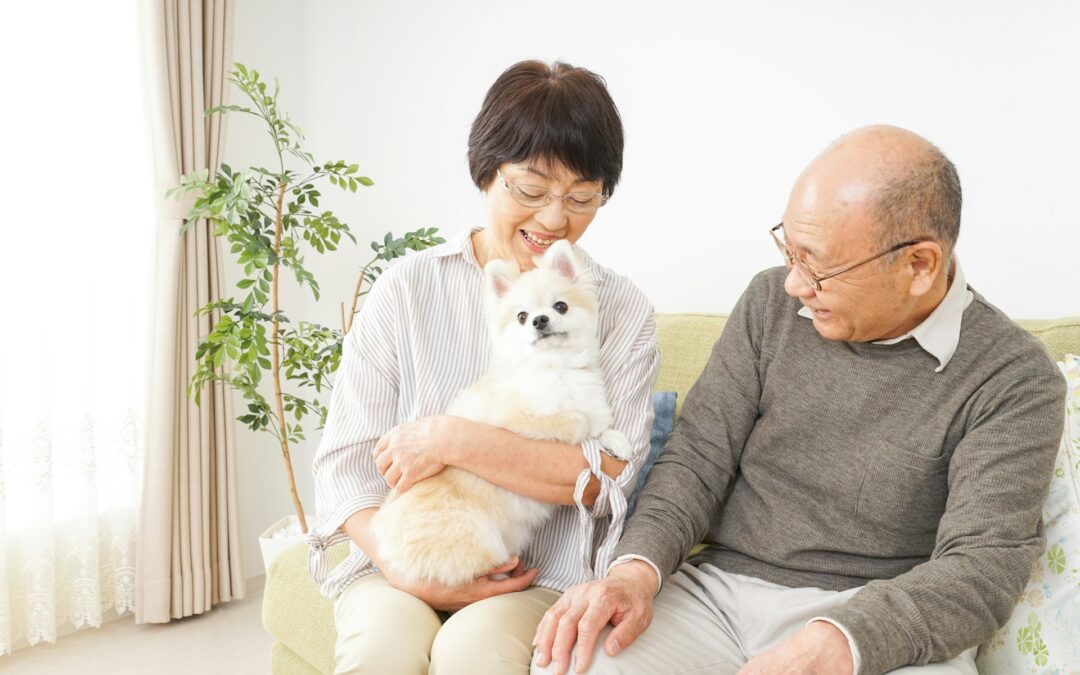
Many older adults in Roswell, GA, rely on the comfort and connection that come with having a pet. A soft nudge from a dog or the quiet company of a cat can make a room feel warmer and a day feel less lonely. But when daily routines start becoming harder, taking care of pets might start to feel like too much. Even small tasks like walking a dog or refilling the water dish can become stressful.
When that happens, pet care assistance for senior citizens can help bridge the gap. It offers a way for loved ones to continue enjoying their pets without the burden of doing everything alone. Here are some practical ideas to help family members and caregivers support seniors so both pets and people get what they need.
Recognizing When Pet Care Has Become Too Much
Sometimes the signs that pet care has become overwhelming are easy to miss. A skipped feeding here, a forgotten litter box there, these small lapses can sneak up slowly. But over time, they mean something bigger.
Look for these signs that a loved one may be having trouble keeping up:
- Uneaten food or unchanged water bowls
- Strong pet odors from indoor spaces
- Missed walks or accidents inside the house
- Trouble bending down or lifting food bags
- Seeming sad or frustrated when talking about the pet
Roswell winters can make these challenges worse. Cold sidewalks and shorter days make getting outside trickier. Seniors who once walked their dogs with confidence might start skipping walks out of fear of slipping. Those with health or mobility changes might get discouraged by everyday chores, but they may still dread losing their animals.
The emotional weight of not being able to give pets the care they need can lead to guilt, sadness, or withdrawal.
Ways Family Can Help Without Taking Over
When things become too much, it does not mean families should take the pet away or take over completely. Many older adults still want to be part of their pet’s care, and honoring that can go a long way for their sense of confidence.
Here are a few supportive ways to share the load without removing independence:
- Set up a simple care routine with a calendar or checklist taped near the food bin
- Ask family or friends to help with tasks like walking or washing the dog
- Buy smaller pet food containers to make refilling dishes easier
- Schedule regular visits to trim nails or clean litter boxes
During February, colder mornings and darker evenings can make running quick errands harder. Picking up litter, scheduling vet appointments, or refilling prescriptions for pets can be shared among family or planned for warmer midday hours. Even bringing in needed supplies ahead of a cold snap can make life easier.
When It’s Time to Look for Professional Help
If keeping up with pet care becomes too difficult or stressful, it may be time to bring in someone to help. Many people think caregiving is just about helping the person, but sometimes it includes light tasks related to pet care.
An in-home caregiver can often help with small pet support like:
- Reminding a senior to feed or walk the pet
- Helping with spills or accidents that are hard to clean
- Assisting with lifting or opening heavy packages
- Making sure pets are safe around walkers or cables
Pet care assistance for senior citizens does not mean replacing what the senior does. It is about filling in where extra help is needed while keeping routines familiar. The support should allow the person to stay involved, without adding pressure or frustration.
Care plans can adjust over time. What begins as a reminder to feed the cat might slowly include walking the dog a few times a week. These flexible arrangements mean seniors do not have to give up their role as a pet owner just because things are changing.
Making Pets Part of Healthy Daily Routines
Pets offer more than daily tasks. They bring comfort, calm, and small joys that pull us back into the moment. For older adults who live alone or spend most of their time indoors, this connection becomes even more meaningful toward the end of winter, when loneliness tends to linger a bit longer.
Some gentle activities caregivers and seniors can do together include:
- Brushing the dog, even for just a few minutes
- Sitting in a favorite chair while a cat naps nearby
- Talking to or gently petting a small animal
- Tossing a toy in a soft play space for light interaction
Not every senior can interact the same way. When movement is limited or safety is a concern, there are still ways to include pets without risk. For example, placing the pet’s bed near a safe sitting area or letting the senior help with grooming instead of walking. What matters is keeping the bond in place without creating extra stress.
Creating Comfort for Seniors and Their Pets
When pets are taken care of, older adults often feel like things are under control again. Even when they are no longer doing it all, they know the pet is loved, safe, and close by.
Small changes can make a big difference. Keeping a water bowl full, helping on snowy days, or sticking to feeding schedules mean pets stay content and seniors feel more in sync with their lives.
The bond between people and their animals stays strong when we step in with the right kind of help. Whether it is light support from a caregiver or a shared schedule with family, showing up in small, steady ways builds comfort for everyone involved. In homes across Roswell, little routines like these can turn a long winter day into something warmer.
At Honeybee Homecare, we understand how important pets are in helping seniors feel connected and supported at home. When caring for a beloved pet becomes challenging, it is often hard to know what help is available, especially during the colder months in Roswell, Georgia. That is why we assist older adults who need a little extra support with their animals. To learn more about how we can support daily routines with pet care assistance for senior citizens, reach out to schedule a conversation with us.