
Introduction
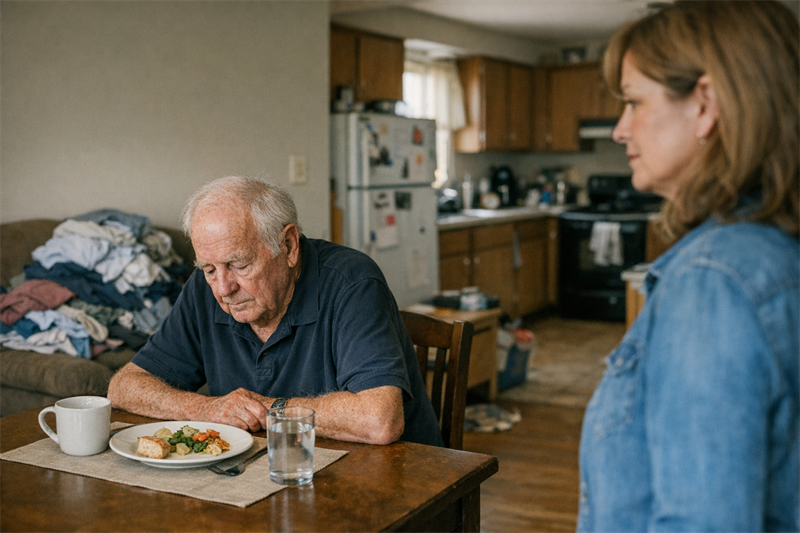
It often starts with small changes. Meals get skipped. Laundry piles up. Getting dressed takes more time than it used to. At first, these moments can feel easy to brush off. Over time, they start to form a pattern.
This is where terms like ADLs and IADLs become useful. They are not just clinical shorthand. They are practical ways to understand how someone is managing daily life and where support may be needed.
At Honeybee Homecare, this is often where conversations begin. Families are not just looking at tasks. They are trying to understand what those changes mean for safety, independence, and what to do next.
Understanding ADLs and IADLs: Why These Terms Matter
ADLs and IADLs are commonly used to describe how independently someone is managing daily life. They separate daily responsibilities into two categories: basic personal tasks and the more complex activities that help a household run smoothly.
Most families notice the signs before they ever hear these terms. What these categories do is bring structure to what you are seeing, so decisions are based on patterns instead of isolated moments.
For a clearer picture of how different types of support fit into everyday life, this guide on how in-home senior care supports daily needs walks through how care is typically structured.
Once families understand the difference, it becomes easier to explain what is changing and what kind of help would actually make a difference.
What Are Activities of Daily Living (ADLs)?
Common ADL Examples
- Bathing: getting in and out of the shower or tub safely
- Dressing: choosing and putting on appropriate clothing
- Toileting: using the bathroom independently
- Eating: feeding oneself without assistance
- Mobility: moving around the home, including getting in and out of bed or chairs
These are the core tasks needed to function day to day. When they become difficult, it usually points to a need for more direct support.
What It Means When ADLs Become Difficult
When ADLs start to decline, safety tends to become a bigger concern. Things like falls, skipped hygiene, or difficulty getting around the home may become more noticeable.
In many cases, these changes are inconsistent at first. Someone may manage well one day and struggle the next. That inconsistency can make it easy to overlook until the concern becomes more obvious.
If you are seeing these patterns, this article on how to tell if your parent needs more than just a home health aide breaks down what those signs can look like in real situations.
What Are Instrumental Activities of Daily Living (IADLs)?
Common IADL Examples
- Meal preparation: planning and cooking meals
- Medication management: keeping track of medications and timing
- Transportation: getting to appointments or running errands
- Housekeeping: keeping the home clean and organized
- Managing finances: paying bills and handling money
These tasks require more planning, organization, and awareness than ADLs. They are often the first place where changes show up.
Early Signs of IADL Decline
IADL challenges often appear gradually. Missed medications, unopened mail, or limited groceries are common early signals.
A person may still look physically capable, but daily routines behind the scenes may be starting to break down.
Support at this stage is often about keeping structure in place. For example, consistent help through senior companionship services can help maintain routines before larger issues develop.
ADLs vs IADLs: Key Differences Explained Clearly
Level of Complexity
ADLs focus on basic self-care tasks. IADLs involve more planning, memory, and coordination.
What Each Indicates About Independence
Difficulty with IADLs often shows up first and may point to early changes in independence. When ADLs are affected, it usually means more consistent support is needed.
How Care Needs Progress Over Time
In many situations, there is a pattern. IADLs become harder to manage, routines become less reliable, and eventually basic tasks begin to require help.
Recognizing this shift early gives families more control over how and when support is introduced, instead of waiting until a situation becomes more urgent.
How ADLs and IADLs Shape Care Decisions
When Occasional Help Is Enough
If challenges are limited to IADLs, support may focus on things like meals, errands, or transportation. The goal is to keep life running smoothly without taking away independence.
When Hands-On Support Becomes Necessary
When ADLs are affected, the focus shifts. Tasks like bathing, dressing, and mobility often require hands-on help to be done safely.
This is where the level of care changes in a meaningful way. It is no longer just about convenience. It becomes about reducing risk and maintaining consistency.
For a clearer understanding of what this involves, see what hands-on care actually means for seniors living at home.
How In-Home Care Supports ADLs and IADLs
In-home care is often built around these two areas.
- IADL support: help with routines, transportation, meals, and household tasks
- ADL support: hands-on assistance with personal care and mobility
What matters is how these are combined. Needs rarely stay the same. Care may start with lighter support and increase as daily challenges change.
This is something Honeybee Homecare pays close attention to. Care can be adjusted over time so support stays aligned with what is actually happening day to day.
How to Tell What Level of Help Your Loved One Needs
One of the most reliable ways to understand this is by watching patterns over time.
- Changes in hygiene or appearance
- Missed medications or confusion around schedules
- A noticeable decline in home condition
- Difficulty moving safely through the home
These are usually not one-off issues. When several of these show up together, it often points to a broader need for support.
A common pattern is waiting until something serious happens before taking action. Earlier support can often reduce that risk and make transitions easier.
Conclusion
The difference between ADLs and IADLs gives you a clear way to understand what is changing and what kind of support makes sense. It moves the conversation from uncertainty to something more concrete.
Many families reach a point where they can see that things are shifting but are unsure how far those changes have progressed. Looking at both ADLs and IADLs together helps define that more clearly and can help families avoid waiting until a situation becomes urgent.
Honeybee Homecare works with families in exactly this position. By breaking down daily challenges into these categories, care can be built in a way that supports independence while addressing day-to-day concerns. If you are trying to figure out what level of support is appropriate right now, Honeybee Homecare can help you talk through the options and build a plan that fits your situation.
Key Takeaways
- ADLs are basic physical tasks like bathing and dressing.
- IADLs are more complex tasks like managing medications and meals.
- IADL challenges often appear before ADL difficulties.
- ADL limitations usually point to a need for more consistent, hands-on care.
- Understanding both helps guide more informed care decisions.
How Honeybee Homecare Approaches Daily Living Support
At Honeybee Homecare, care starts by looking at how daily life is actually functioning, not just what is written on a checklist.
In many situations, needs are mixed. Someone may need help managing meals and appointments while also needing occasional support with mobility or personal care. Treating those as separate issues can lead to gaps in support.
That is why care is structured to adjust over time. As IADL challenges increase or ADLs begin to decline, support can shift without unnecessarily disrupting the person’s routine or environment.
If you want help understanding what level of support makes sense now and how that may evolve, Honeybee Homecare can walk through that with you and outline a plan that fits your situation.
Frequently Asked Questions
What is the main difference between ADLs and IADLs?
ADLs are basic self-care tasks like bathing and dressing, while IADLs are more complex tasks like managing medications or finances. This distinction helps clarify the level of day-to-day support someone may need.
What are examples of ADLs and IADLs?
ADLs include eating, bathing, and mobility. IADLs include cooking, transportation, and managing medications. These categories reflect different parts of daily independence and help identify where support may be needed.
Which declines first, ADLs or IADLs?
IADLs often become difficult first because they require more organization and memory. Tasks like paying bills or managing medications may become harder earlier. Addressing these changes early can help preserve routines and independence.
Do ADLs require professional caregivers?
ADL support often involves hands-on help, such as bathing or mobility assistance. Depending on the situation, families may choose trained caregivers to provide safe and consistent support.
How are ADLs and IADLs used in senior care assessments?
Care providers look at both ADLs and IADLs to understand how independently someone is functioning. This helps shape the type and level of support that may be appropriate.
When should a senior receive help with daily activities?
Support is often needed when tasks are consistently missed or safety becomes a concern. Signs may include poor hygiene, missed medications, or mobility issues. Taking action at this stage can help prevent bigger problems and make care transitions smoother.